
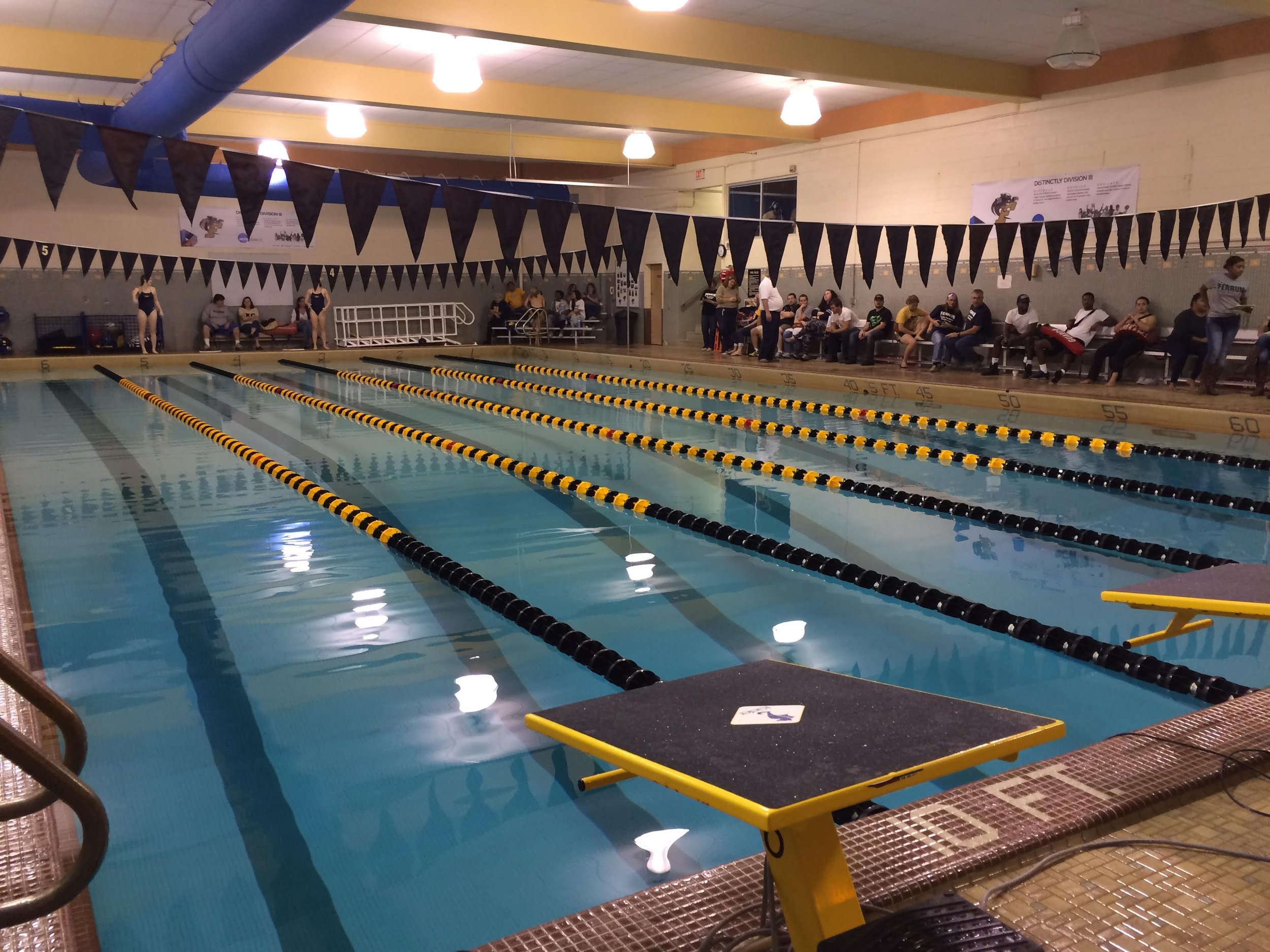
Swimming Physical Therapy in Davidson, NC
YouR Shoulder may hurt on land -
but we know the real test is what happens when you get back in the water.
Return 2 Play provides swimming-specific physical therapy for competitive, recreational, youth, collegiate, and masters swimmers dealing with pain, injury, or difficulty returning to full training.
We look beyond where it hurts to understand the demands of your stroke, training volume, strength, mobility, and movement — then build a plan designed to get you back to the pool.
Swimming Injuries We Commonly Treat
-
Shoulder pain is one of the most common problems we see in swimmers. Repetitive overhead motion, increases in training volume, shoulder mobility, rotator cuff strength, and control of the shoulder blade can all influence symptoms.
We evaluate the shoulder itself while also looking at the rest of the movement chain that may affect how your arm moves through the water.
-
The rotator cuff and biceps are repeatedly loaded during swimming, particularly with high training volume. Pain may develop gradually and become noticeable during the catch, pull, recovery, or even outside the pool.
Physical therapy can help identify strength, mobility, load, and movement factors contributing to symptoms and progressively rebuild tolerance for swimming.
-
Swimmers require a large amount of shoulder mobility, but that mobility also needs adequate strength and control.
We help swimmers recovering from instability, labral injuries, or surgery rebuild shoulder strength and control while progressively returning to the demands of their stroke.
-
Your neck, shoulder blades, and thoracic spine all play a role in swimming mechanics. Breathing patterns, repetitive rotation, mobility restrictions, and training volume may contribute to neck or upper-back symptoms.
We assess how these areas work together rather than treating the painful area in isolation.
-
Repetitive extension, rotation, kicking, starts, turns, and prolonged training can place significant demands on the lower back.
We evaluate trunk strength, mobility, hip function, training demands, and swimming mechanics to determine what may be contributing to your symptoms.
-
The breaststroke kick places unique rotational forces through the hips and knees. Some swimmers develop pain along the inside or front of the knee, particularly as training volume increases.
We assess knee strength and mobility along with hip, ankle, and kick-related factors that may be contributing to the problem.
-
Starts, turns, kicking, dryland training, and repetitive hip motion can contribute to hip or groin symptoms.
Treatment may address strength, mobility, movement control, and the demands of both swimming and dryland training.
-
Swimmers often train at high volumes with thousands of repetitive strokes each week.
When pain gradually appears, we look at more than the painful structure — including recent changes in yardage, intensity, stroke volume, dryland training, recovery, previous injuries, and movement capacity.
How we help SWIMMERS
Swimming isn't just something we treat at Return 2 Play — it's a sport I personally understand.
Dr. Lauren Gass, DPT, ATC, CSCS grew up swimming competitively with a local Lake Norman swim club through middle and high school before becoming a distance swimmer in college.
That experience matters.
I understand what doubles feel like. I understand high yardage, early mornings, dryland training, taper, meet schedules, and the difference between simply being able to move your shoulder and being able to tolerate thousands of strokes at practice.
As both an Athletic Trainer and Physical Therapist, I have also worked with numerous collegiate and professional swimmers throughout their injury and return-to-sport journeys.
That combination of personal swimming experience and sports medicine training shapes how we evaluate and treat swimmers at Return 2 Play.
A swimmer's body has to perform very differently from the average patient's.
That's why your evaluation may include more than simply checking where it hurts.
| Evaluation Area | What We’re Looking At |
|---|---|
| Swimming History | Your events, primary strokes, competitive level, and swimming background. |
| Training Volume | Current yardage, practices per week, intensity, doubles, and recent changes. |
| Pain Pattern | When symptoms begin during practice and which strokes or phases provoke them. |
| Rotator Cuff Strength | Strength and endurance of the muscles responsible for shoulder control. |
| Shoulder Mobility | Whether you have the mobility needed for efficient overhead movement. |
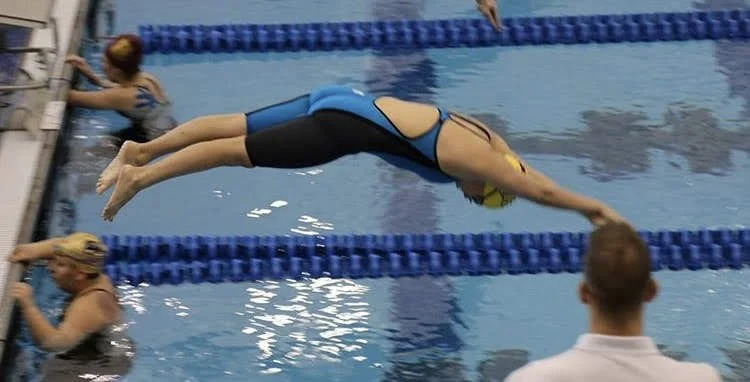
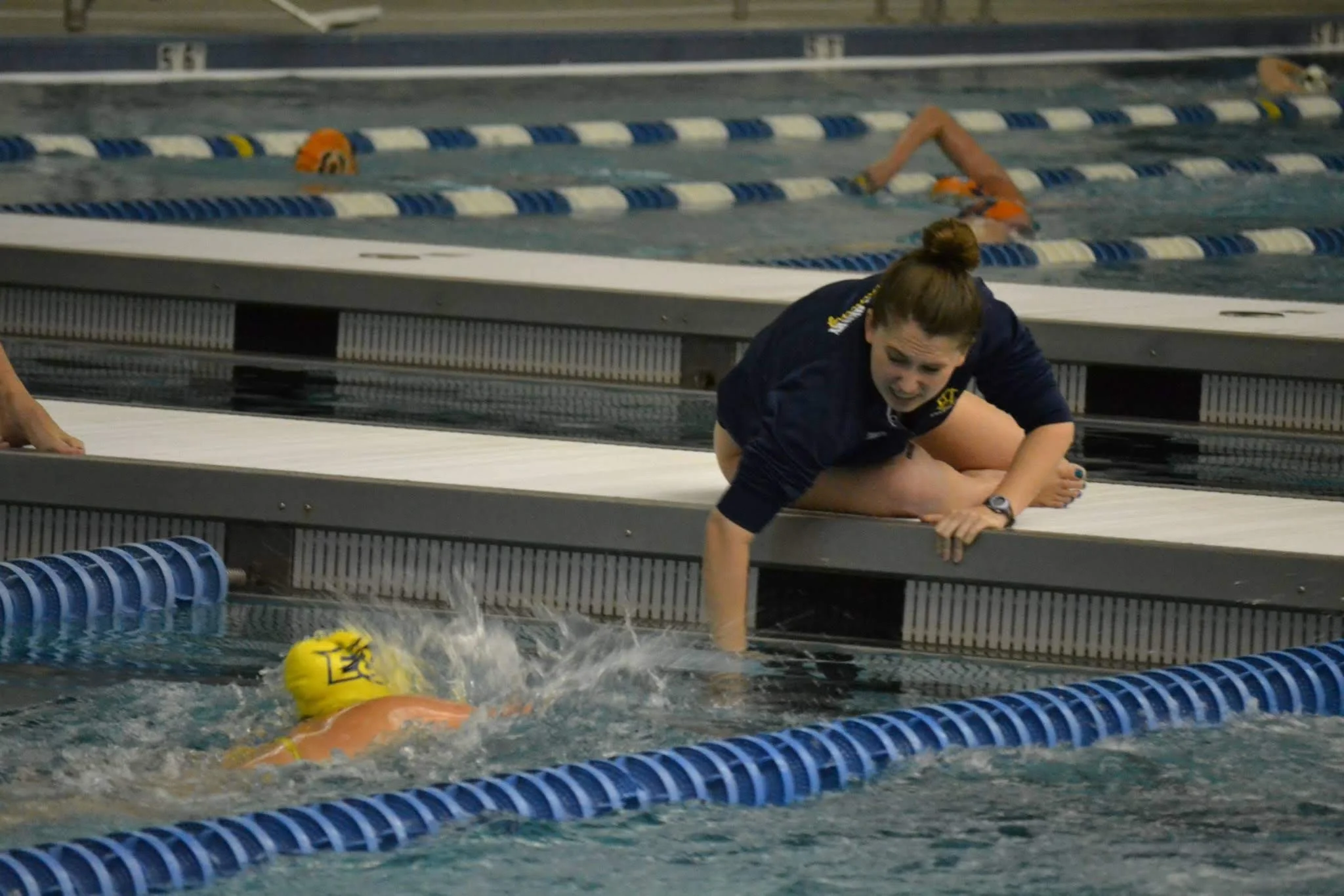
| Video Analysis | Poolside or recorded swimming analysis when appropriate. |
| Swimming Mechanics | Stroke mechanics and movement patterns relevant to your symptoms. |
| Pain Response | When symptoms occur and how they respond during and after swimming. |
| Goals & Upcoming Races | Your performance goals, upcoming races, and desired timeline. |
| Return-to-Swim Plan | How to safely rebuild yardage, intensity, stroke volume, and full training. |
Swimming Physical Therapy in Davidson, NC
Return 2 Play provides swimming-specific physical therapy from our Davidson, NC clinic, serving swimmers throughout Davidson, Cornelius, Huntersville, Mooresville, and the greater Lake Norman area.
We work with:
Club swimmers
Middle and high school swimmers
Collegiate swimmers
Masters swimmers
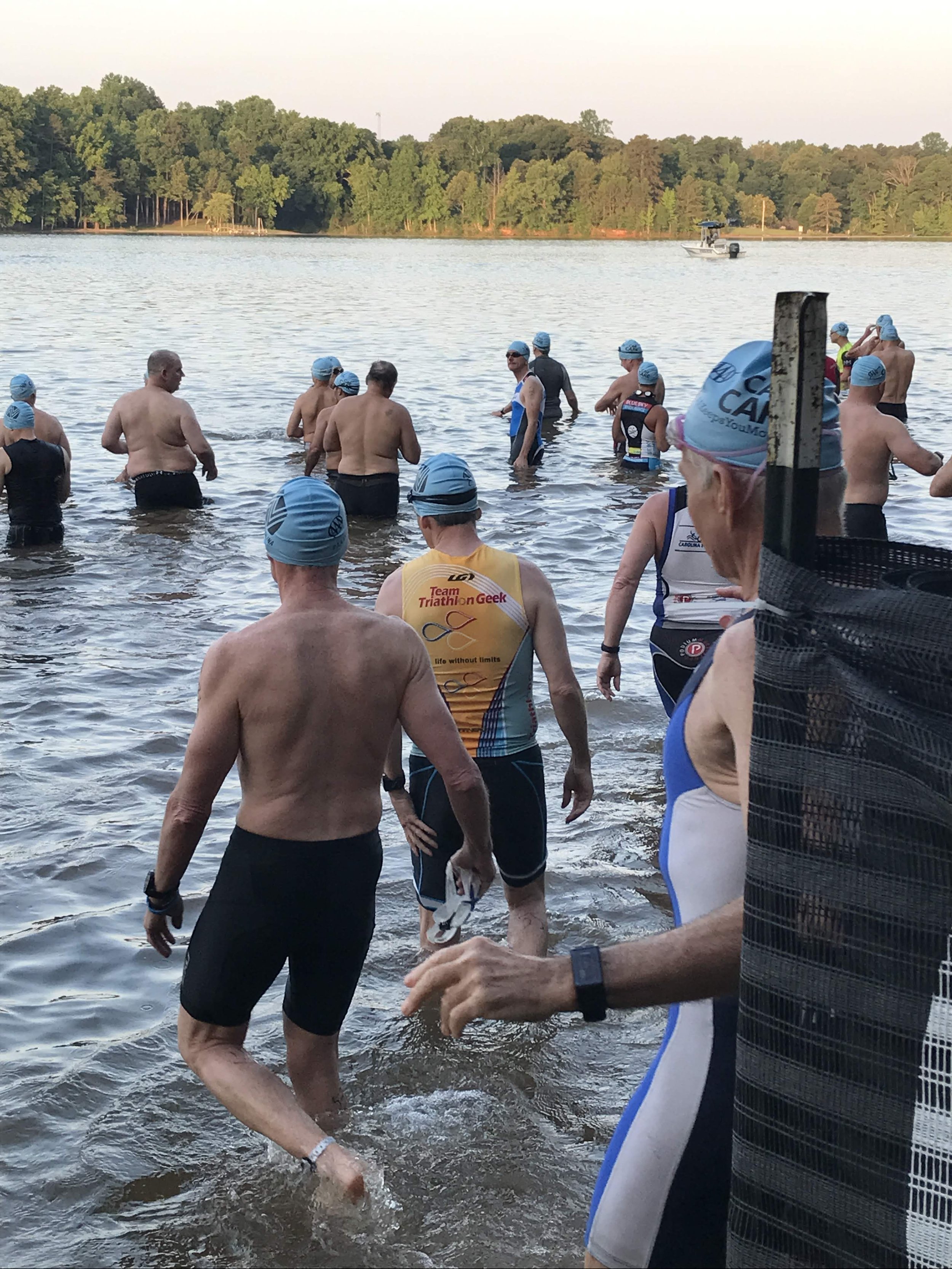
Triathletes
Competitive and professional swimmers
Recreational swimmers
Whether you're trying to stay in the water during an injury, return after surgery, prepare for championship season, or solve pain that keeps returning as your yardage increases, our goal is to help you keep progressing toward the sport you love.

Frequently Asked Questions
-
“Swimmer's shoulder” is a broad term commonly used to describe shoulder pain associated with swimming. Because shoulder pain can have several different causes, we evaluate factors such as shoulder mobility, rotator cuff strength, shoulder blade control, training volume, stroke demands, and previous injuries rather than assuming every swimmer has the same problem.
-
Our goal is to help you stay as active as safely possible while addressing the injury. Depending on what we find, you may be able to continue swimming with temporary changes to yardage, intensity, stroke selection, equipment, or practice structure. We don't automatically tell every injured swimmer to get out of the pool.
-
Yes.
When appropriate, we can use video or poolside swimming analysis to look at mechanics that may be relevant to your symptoms or performance.
Stroke mechanics are only one piece of the evaluation. We also consider strength, mobility, training volume, injury history, and how your body responds to swimming.
-
Yes.
We work with swimmers across many competitive levels, including youth and club swimmers, high school athletes, collegiate swimmers, masters swimmers, and high-level competitive athletes.
Dr. Lauren Gass also competed as a swimmer through high school and as a distance swimmer in college and has worked with collegiate and professional swimmers as both an Athletic Trainer and Physical Therapist.
-
Wear comfortable athletic clothing that allows us to evaluate your shoulder, back, hips, or other involved areas.
It can also be helpful to bring or have access to:
Videos of yourself swimming
Your recent practice or training schedule
Information about weekly yardage
Meet or race dates
Details about recent changes in training
Any relevant imaging or surgical information
The more we understand about what happens in the pool, the better we can connect your physical examination to the demands of your sport.
-
Yes.
We work with swimmers returning after orthopedic surgery and help progress them from restoring basic mobility and strength toward the much higher demands of swimming.
As you progress, we may consider shoulder endurance, strength, range of motion, dryland training, stroke demands, yardage, intensity, and gradual return to full practices.
-
No.
Although shoulder pain is common in swimmers, we also treat neck and back pain, knee pain, hip and groin injuries, muscle and tendon injuries, post-surgical conditions, and other problems affecting swimming or dryland training.
Our goal is to understand how the injury affects you as a swimmer rather than treating the diagnosis in isolation.
-
Return 2 Play is a cash-based physical therapy practice, which allows us to spend your visit focused on you — not on insurance restrictions, visit limits, or what a plan will and won’t authorize.
Our goal is to help you become independent as quickly as possible, not keep you coming to therapy longer than you need to. Because visits are one-on-one and include a personalized plan for what you can work on between sessions, we focus on making each appointment as useful as possible and avoiding unnecessary visits.
Many patients are also able to use HSA or FSA funds toward eligible physical therapy expenses. If you have out-of-network benefits, you may also be able to submit your visits to your insurance company for reimbursement depending on your plan.
We do accept traditional Medicare for eligible physical therapy services.
Have questions about cost, HSA/FSA use, or out-of-network reimbursement? Contact our team before scheduling and we’ll help you understand your options.